

APOCB2026 was jointly held with Chinese Society for Cell Biology and International Federation for Cell Biology (IFCB) in Hefei, China from April 8 to 12, 2026 with more than two thousand attendees. The meeting events attract scientists from several societies such as American Society for Cell Biology, Australian/New Zealand Society for Cell & Developmental Biology, British Society for Cell Biology, Society of French for Cell Biology, Indian Society for Cell Biology, Japanese Society for Cell Biology, Mexican Society for Cell Biology, Philippine Society for Cell Biology, Singapore Society for Cell Biology and European Molecular Biology Organization.
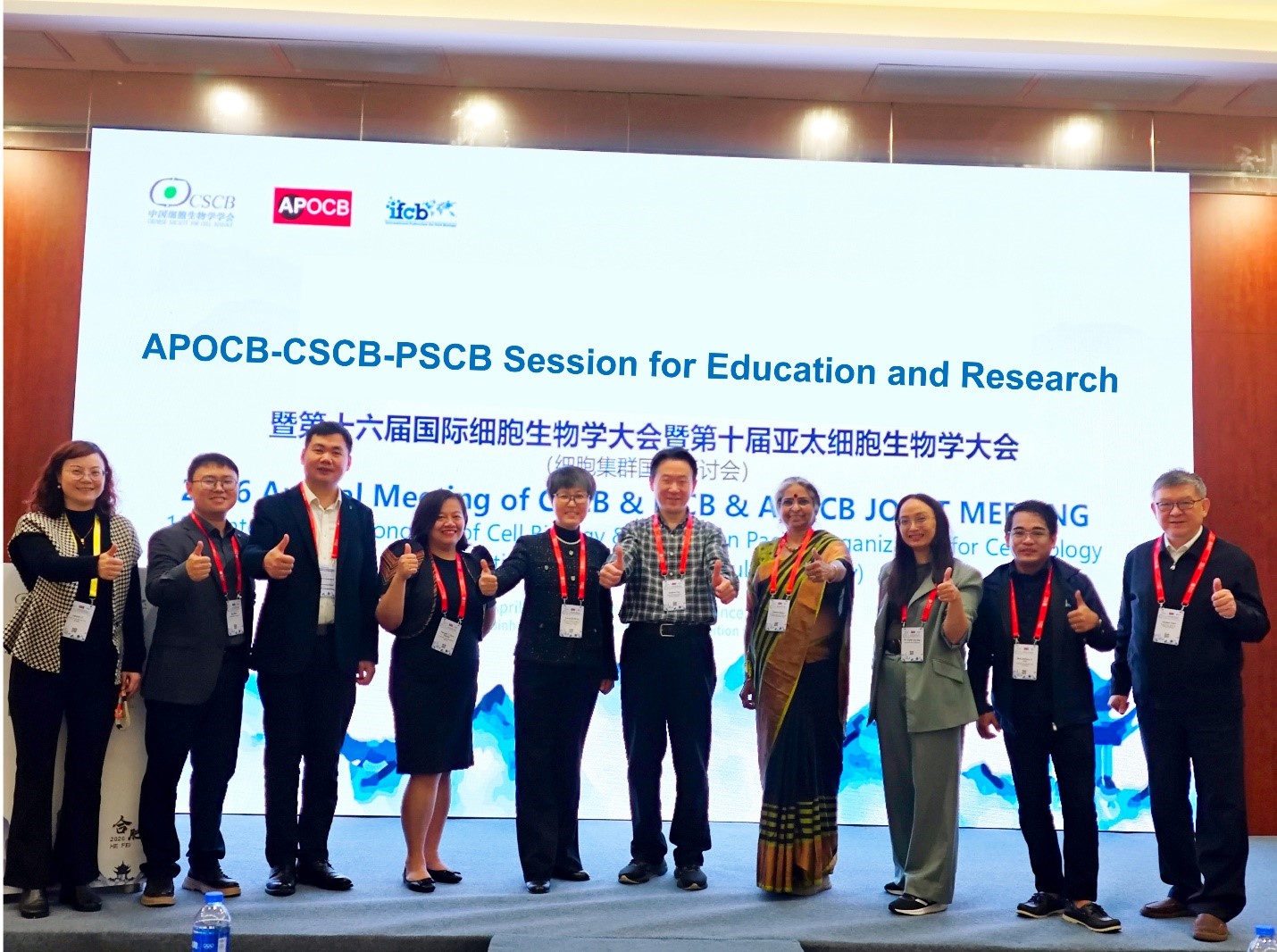
President Ye-Guang Chen greeted all APOCB attendees and welcome their participation in the APOCB2026 in Hefei. APOCB2026 has organized several exciting events such as APOCB-CSCB-PSCB session for Education and Research on April 9, 2026. Dr. Xuebiao Yao, Secretary General of APOCB, made grand opening of the session and highlighted the importance of research and education ethics in the AI-inspired biology era. He also called for synergisms in technology- and data-sharing in APOCB members to advance the research and education curriculum in the region. Speakers from China, India, Japan, Mexico and Philippine shared their thoughts on interactive learning in digital era. The session was synergistically chaired by Drs. Xiangting Wang and Vegesna Radha.
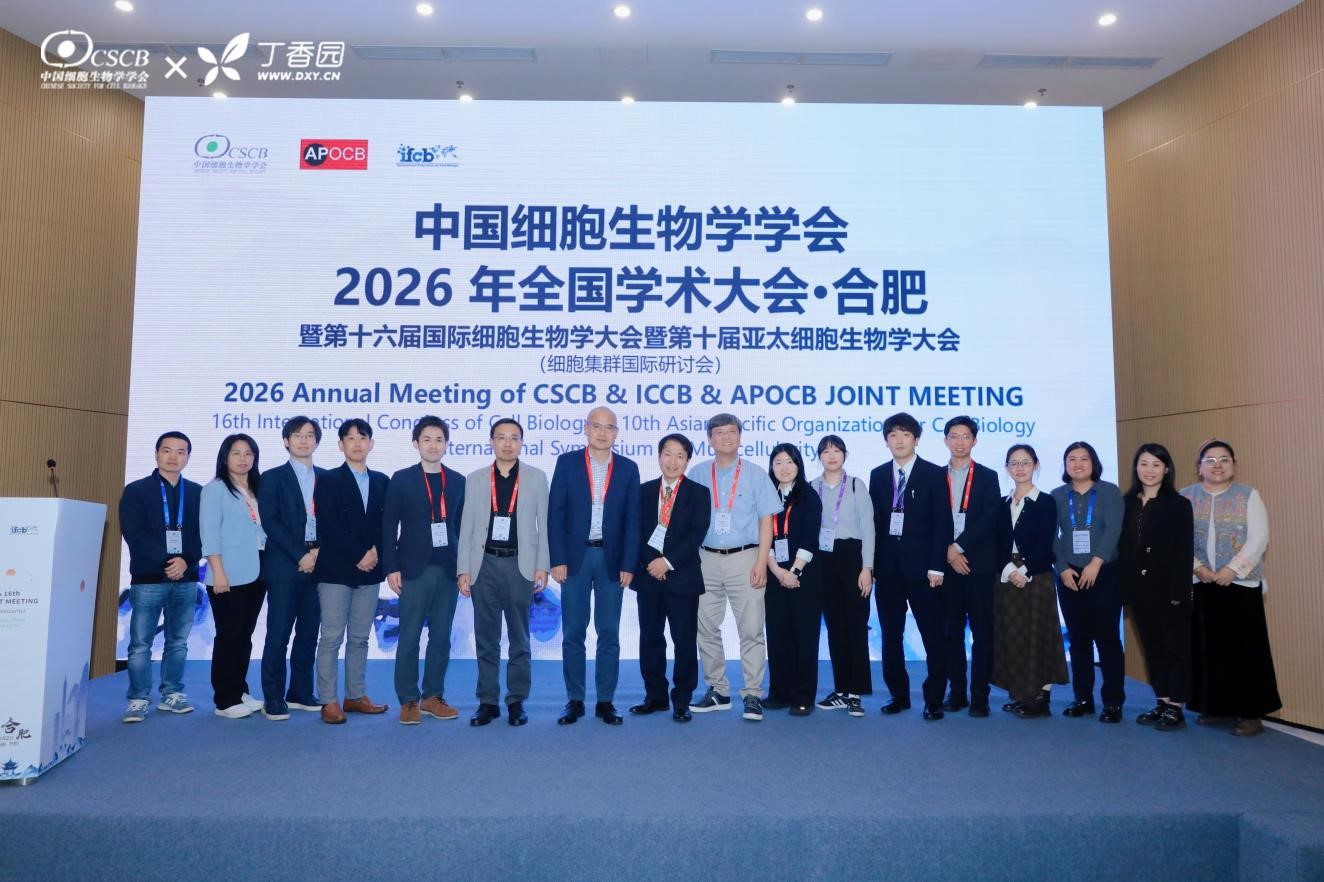
Sino-Japan-Korea session chaired by Drs. Hisao Masai and Kyungjae Myung on April 10, 2026 had successfully project exhibited great excitements from chromatin architecture and plasticity to CRISPR-Cas9-elicited gene therapy.
The APOCB General Assembly meeting was held on April 10. Dr. Ye-Guang Chen, President of APOCB and members of APOCB Executive Committee first acknowledged the dedicated service made by Dr. Yonemura Shigenobu during his term. The Committee also discussed the candidacy of Dr. Akihiro Harada who is recommended by Dr. Shigenobu as his successor. After discussion, the committee voted unanimously in favor of Dr. Harada. After the voting, Dr. Ye-Guang Chen congratulates Dr. Harada for his election as the APOCB Treasurer and Dr. Harada starts his term as APOCB Treasurer effectively as April 10, 2026.
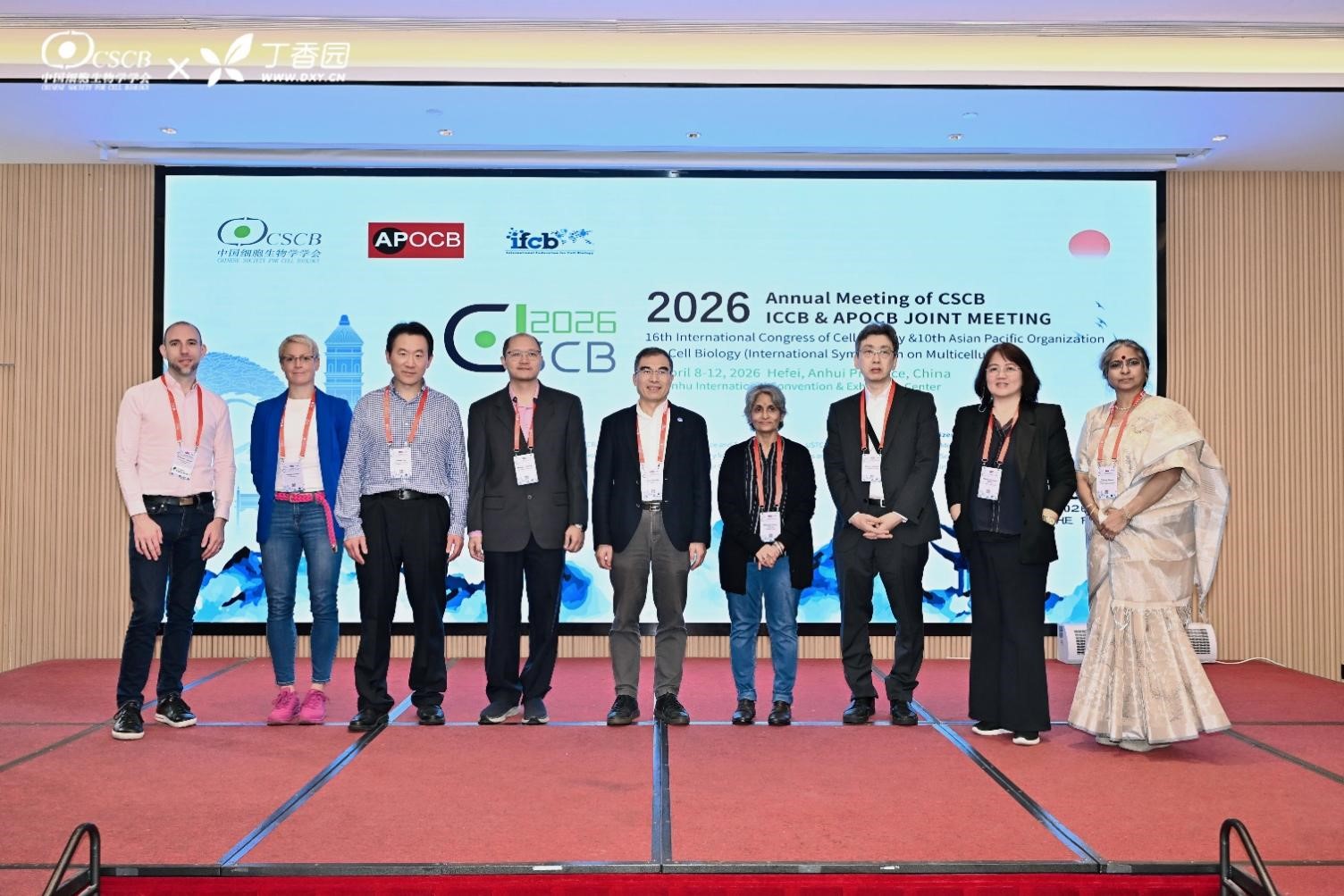
The APOCB Executive Committee also discussed the amendments of APOCB constitution and voted unanimously for modifications. In addition, the APOCB Executive Committee welcome the reconnection of Australian/New Zealand Society for Cell and Developmental Biology (ANZSCDB). Based on the refined APOCB constitution, the APOCB Executive Committee will soon be updated with society member’s leadership and the Committee will meet on zoom in August to discuss the election of new committee for 2027-2030.
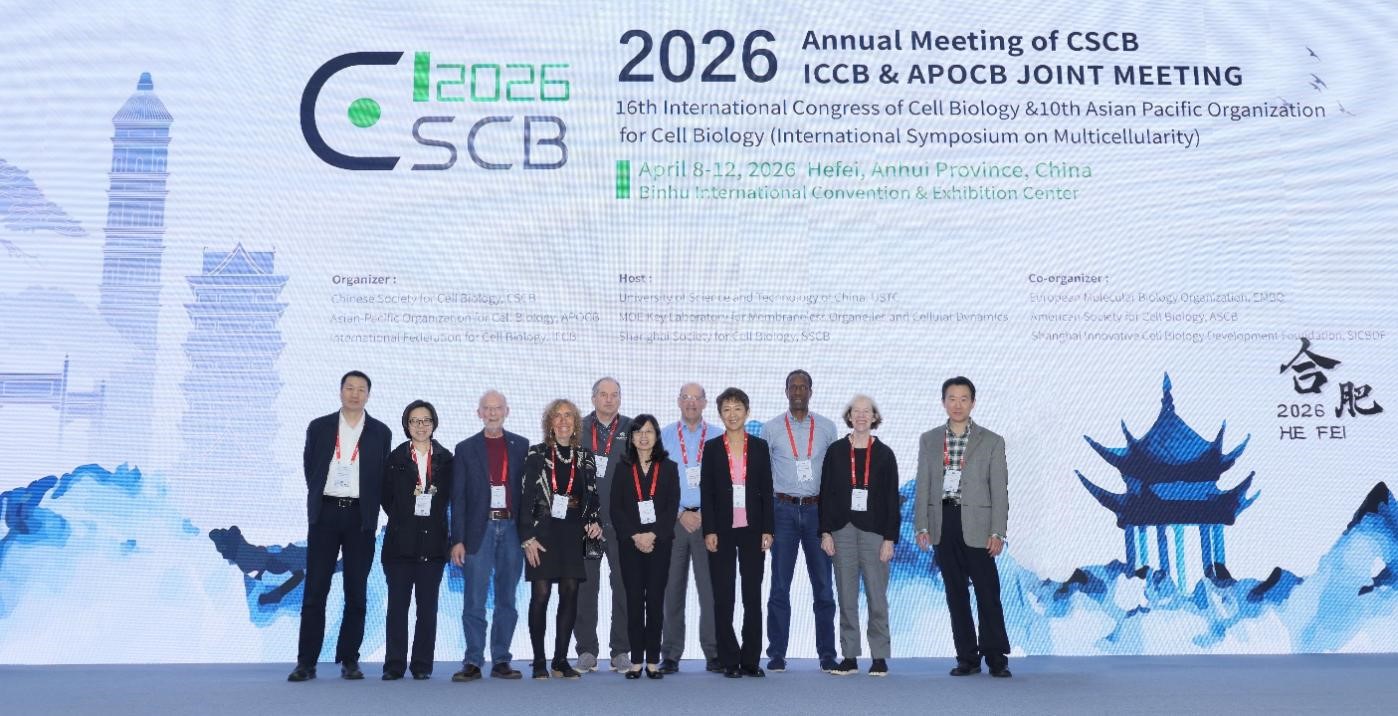
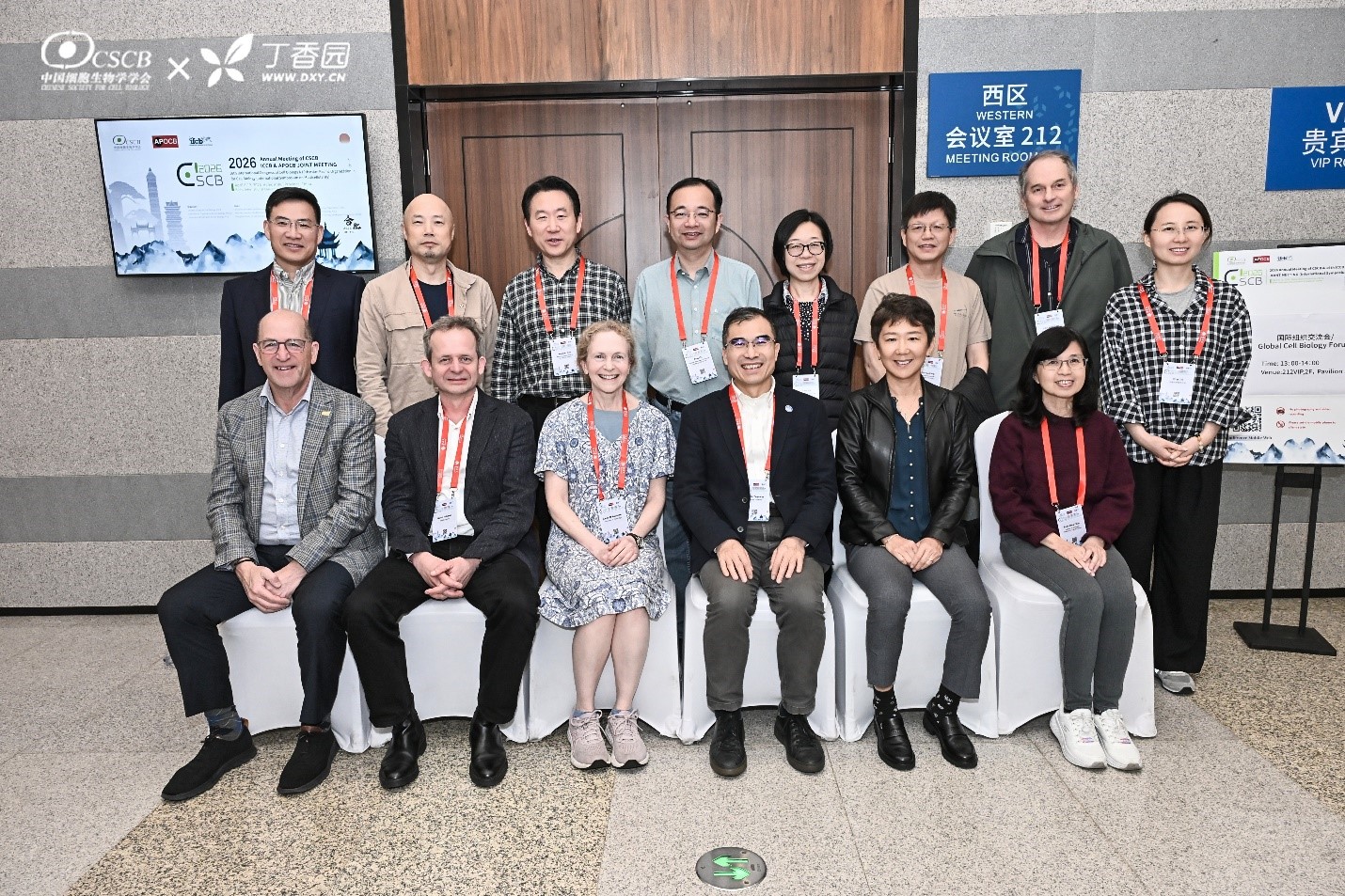
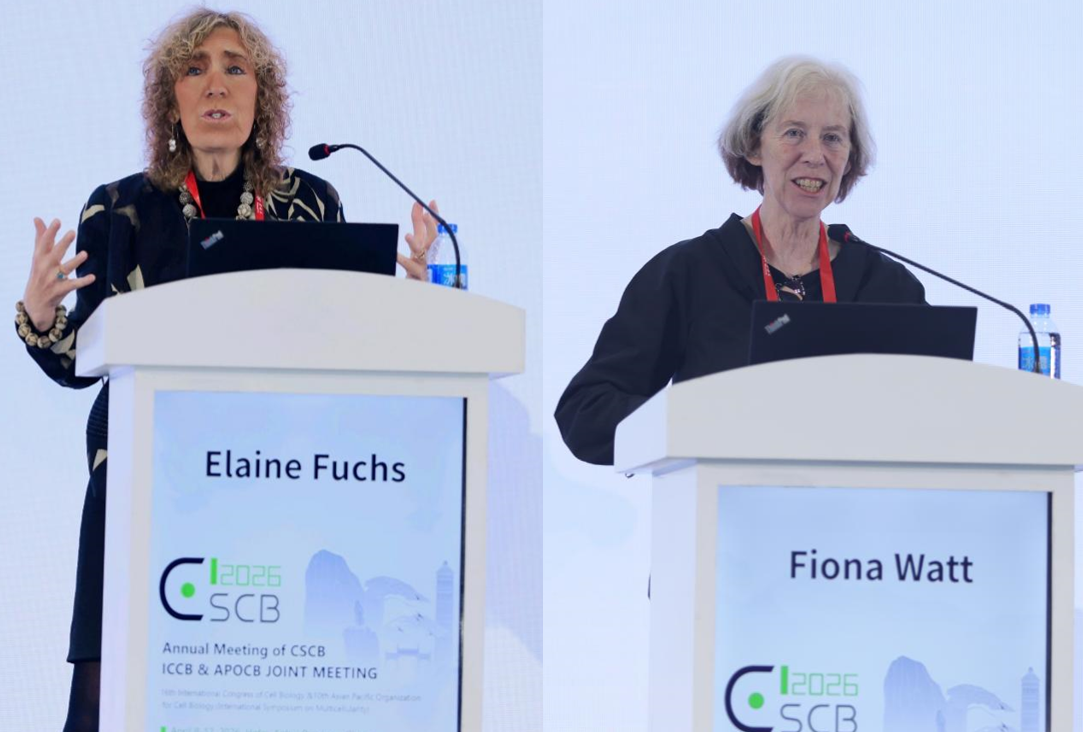
The Keynote lectures of APOCB were given by Drs. Elaine Fuchs of Rockefeller, Ruey-Hwa Chen of Academia Sinica, Rong Li of National University of Singapore, and Fiona Watt of EMBO in the morning on April 11, 2026. The Keynote lectures attracted much attention from the attendees and well entertained with many questions from young scientists. Xuebiao Yao, Vice President of CSCB and Secretary General of APOCB, chaired this session in the big auditorium with more than 1500 attendees with interactive discussion beyond the regular schedule. The speakers have had a group photo with Dr. Bao-Liang Song, President of CSCB, Dr. Ya-Hui Chi, Secretary General of IFCB, Dr. Don Cleveland, former President of ASCB, Matt Loeb, CEO of ASCB and Andrew Campbell, Vice President of IFCB.
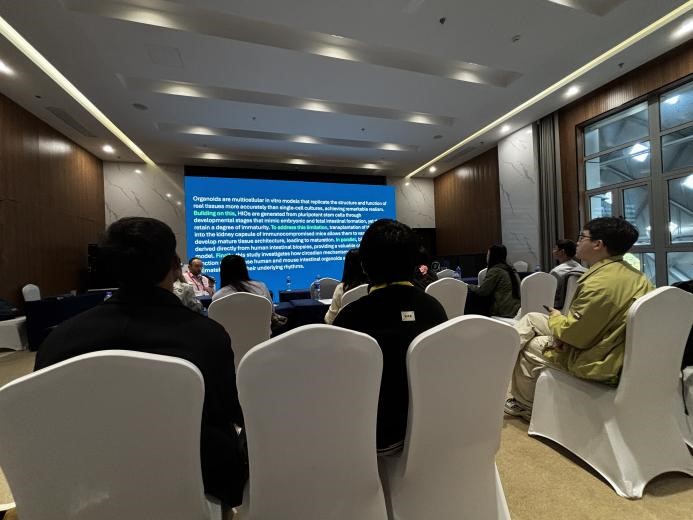
This APOCB-CSCB Joint Session on organelle dynamics and organoids plasticity held on April 11 was well attended. This session was chaired by Dr. Kai Yuan of CSCB. Yu-Chun Lin of Tsina Hua University in Taiwan, Nathalie Savonnet of Institute Pasteur, Christophe Lamaze of Institute Curie, Benedicte Delaval of CREM-Montepellier, Wei Qi of ShanghaiTech, Jose Polo of Monash University, Pu-Ting Dong of Stony Brook University, Ting Chen of NIBS, and CSCB Young Scientist Awardee Zhixing Chen spoke in this popular session.
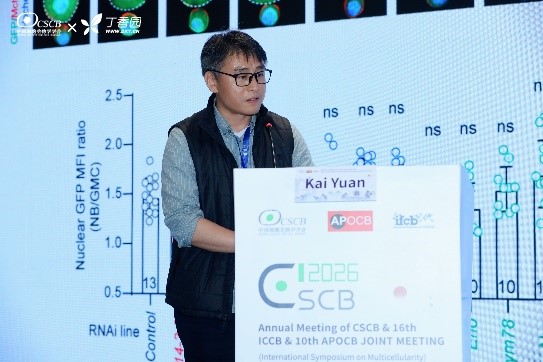
Kai Yuan of CSCB
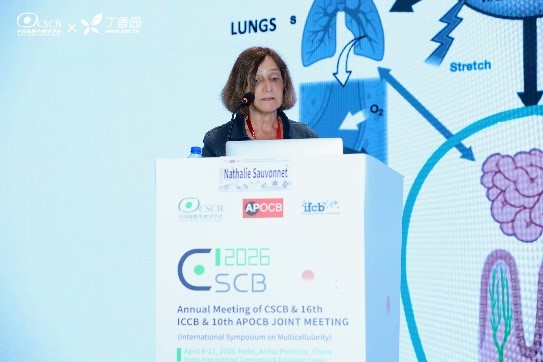
Nathalie Sauvonnetof SFCB
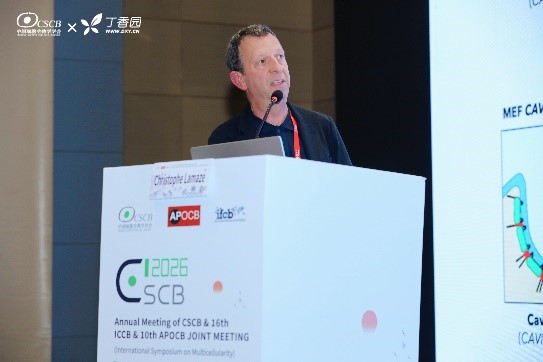
Christophe Lamaze of Institute Pasteur
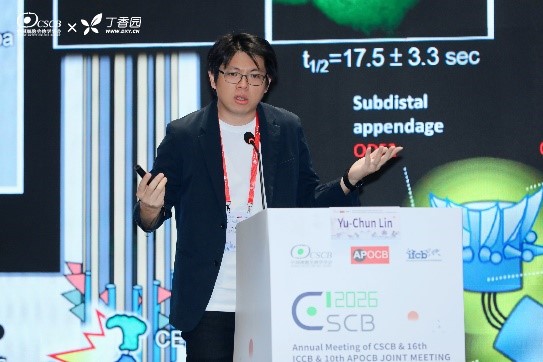
Yu-Chun Lin of Tsina Hua University
Jose Polo of Monash University
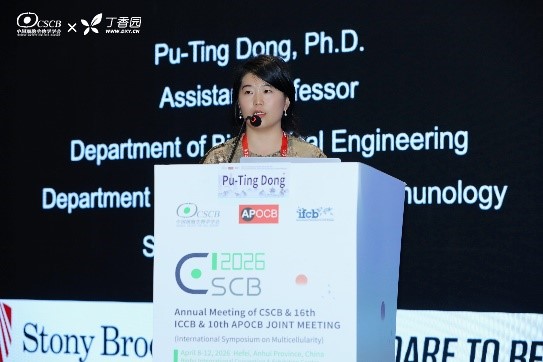
Pu-Ting Dong of Stony Brook University
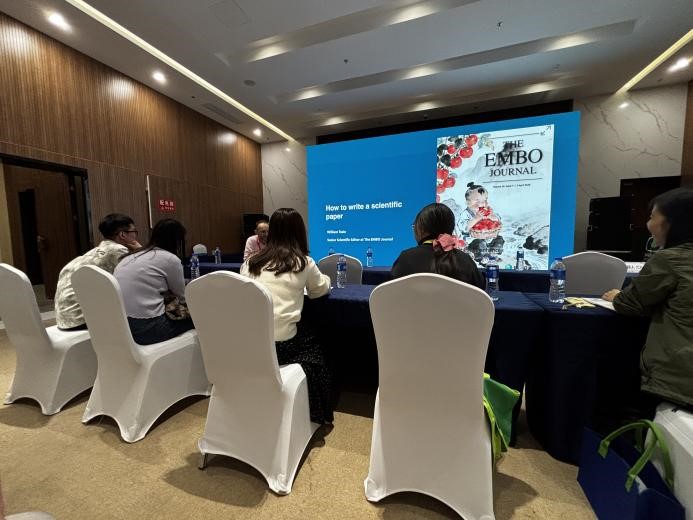
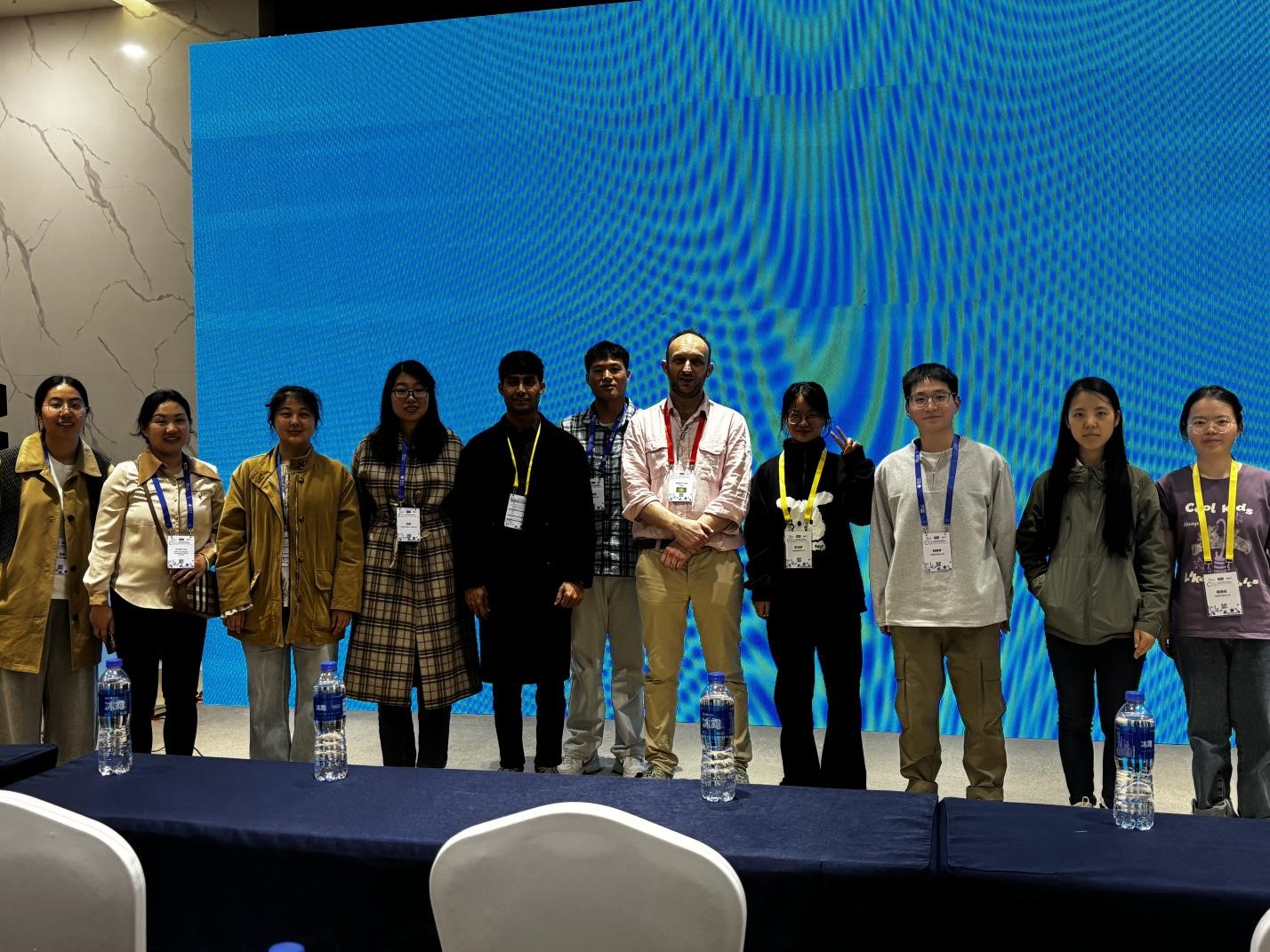
APOCB and EMBO jointly sponsored a Scientific Writing Session. Dr. William Teale from EMBO Press had tough this session. Trainees expressed their gratitude to the instructor for well-versed session.
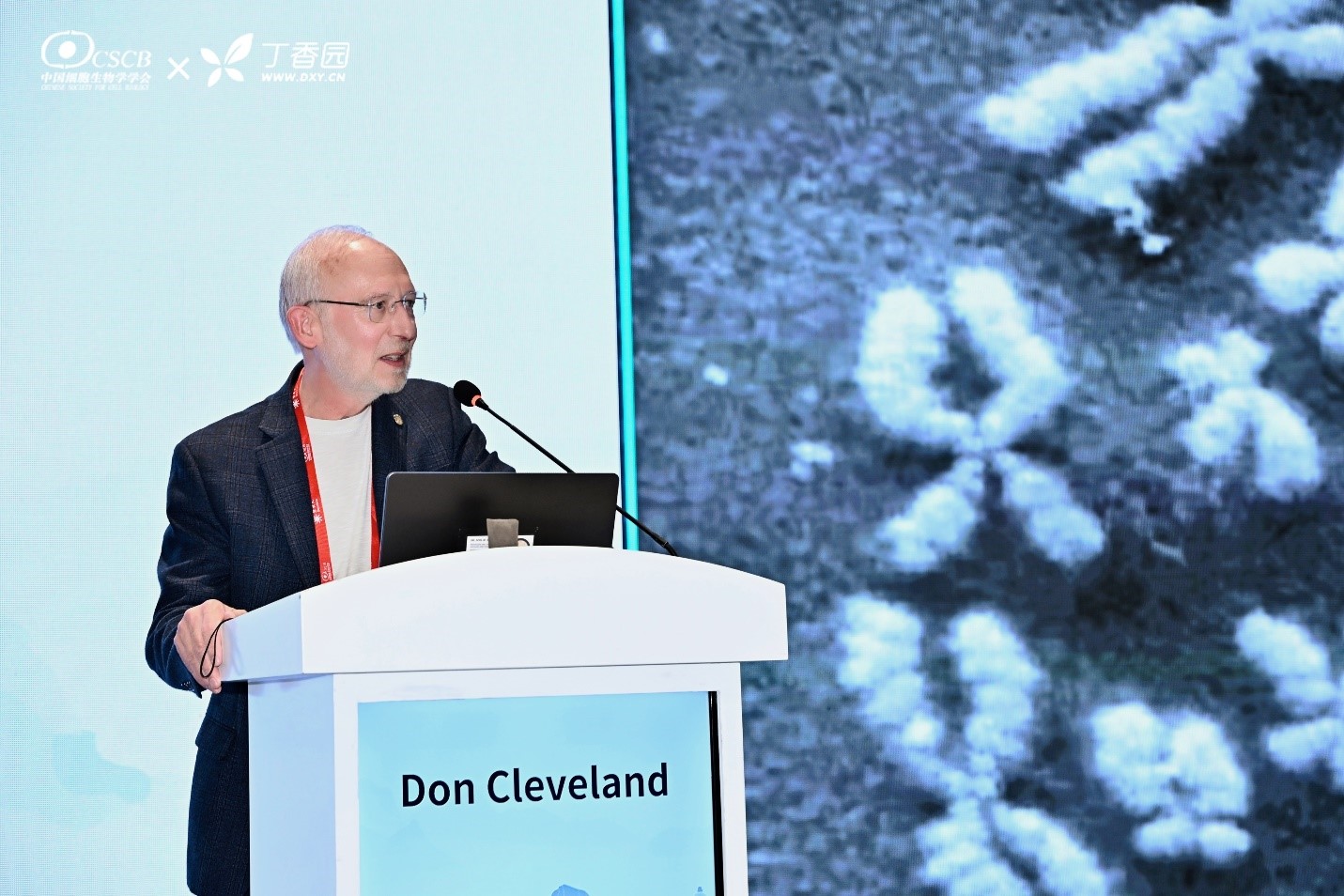
The great excitement of APOCB was concluded by Dr. Don Cleveland’s Closing Keynote Lecture on April 12. Genome instability, including chromothripsis, is a hallmark of cancer. Cancer cells frequently contain micronuclei-small, nucleus-like structures formed by chromosome missegregation-that are susceptible to rupture, exposing chromatin to cytoplasmic nucleases. Cleveland and colleagues have identified a previously uncharacterized cytoplasmic endonuclease, NEDD4-binding protein 2 (N4BP2), that enters ruptured micronuclei and initiates DNA damage, leading to chromosome fragmentation. N4BP2 promoted genome rearrangements (including chromothripsis), formation of extrachromosomal DNA (ecDNA) in drug-induced gene amplification, tumorigenesis, and tumor cell proliferation in an induced model of human high-grade glioma. His analyses of more than 10,000 human cancer genomes revealed elevated N4BP2 expression to be predictive of chromothripsis and copy number amplifications, including ecDNA. The next challenge and excitement are delineating the mechanisms of action underlying N4BP2 activity regulation during pathogen infections.
The final event for APOCB/ICCB/ CSCB was the poster and travel award announcement. Five APOCB travel awards went to Sonia Shetty of Indian Inst. of Bioinformatics and Applied Biotechnologies; Jing Zhang of University of Tokyo, Julie Charmain Bonifacio of Philippine Polytech University; Saptadipa Basak of University of Mumbai, and Shiyu Zhang of National University of Singapore.
Congratulations on the Travel awardees!
We thank all attendees for their active participation and look forward to our meeting in the next APOCB gathering!
© Copyright Asian-Pacific Organization for Cell Biology All rights reserved.